How to Choose a CNC Machining Supplier in China: 10 Key Criteria
Published onOctober 16, 2026· HYS Mechanical Engineering Team
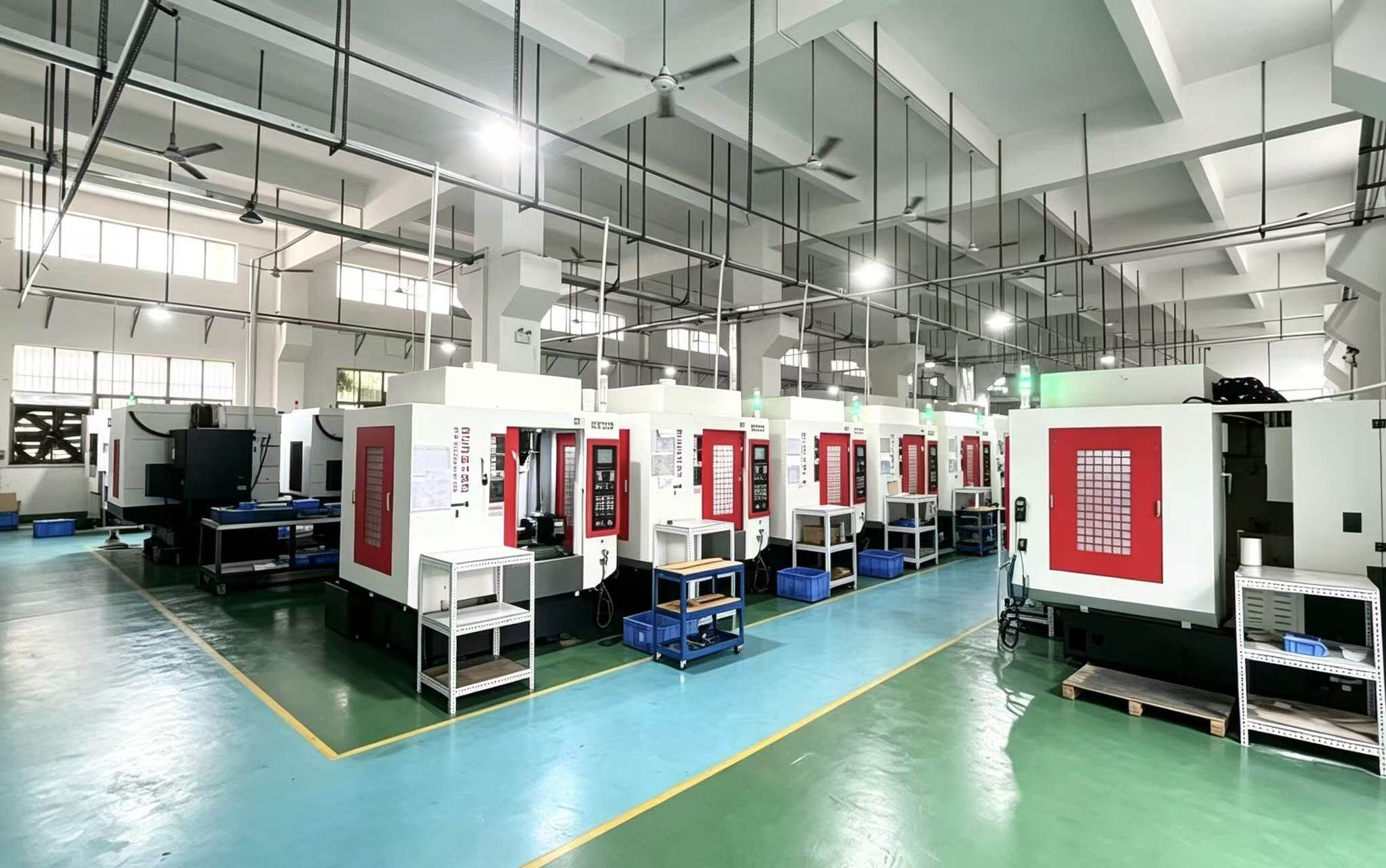
10 practical checkpoints to verify before issuing a PO to a CNC machining supplier in China — covering factory equipment ownership, machine capacity alignment, tolerance capabilities, quality systems, lead times, material sourcing, and communication responsiveness.
1. Confirm the Shop Actually Owns Its Machines
Finding a reliable CNC machining partner in China can be overwhelming. The market is flooded with suppliers ranging from ultra-low prices to "full-service" promises — but how do you distinguish capable shops from middlemen? This is your first and most critical step. Ask for:
- Factory floor photos or video tour
- Machine serial numbers and brands (DMG MORI, Mazak, Brother, Citizen, Haas are good indicators)
- Actual number of CNC mills, lathes, and 5-axis centers
Red flag:A "supplier" that can't show you its own factory floor is likely a trading company reselling your order to a third party — you'll pay more, have less communication, and no quality control.
At HYS Mech, we transparently share our equipment list and welcome video or on-site factory tours.
2. Verify Their Machine Capacity Matches Your Part
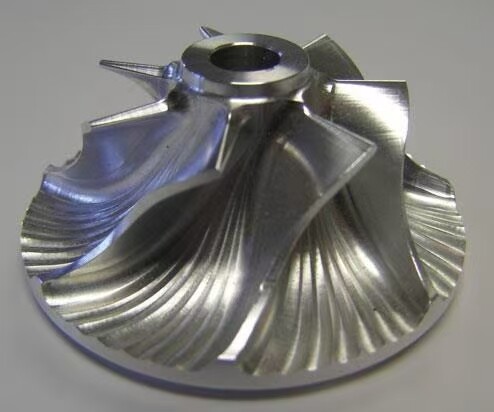
A shop with only 3-axis mills cannot produce a 5-axis impeller in one setup — they'll outsource it. Match their equipment to your project:
- Simple components (brackets, plates):3-axis VMC is sufficient
- Complex geometries (impellers, turbine blades, mold cores):True 5-axis machining center required
- High-volume small parts:Swiss-type lathes are significantly more efficient than standard CNC lathes.
- Precision holes:Search for Wire EDM and grinding capabilities
Before requesting a quote, confirm they have the right machine for your specific geometry.
3. Inquire About Tolerance Capabilities in Writing
Every shop will claim "±0.01mm."". Ask them to prove it.
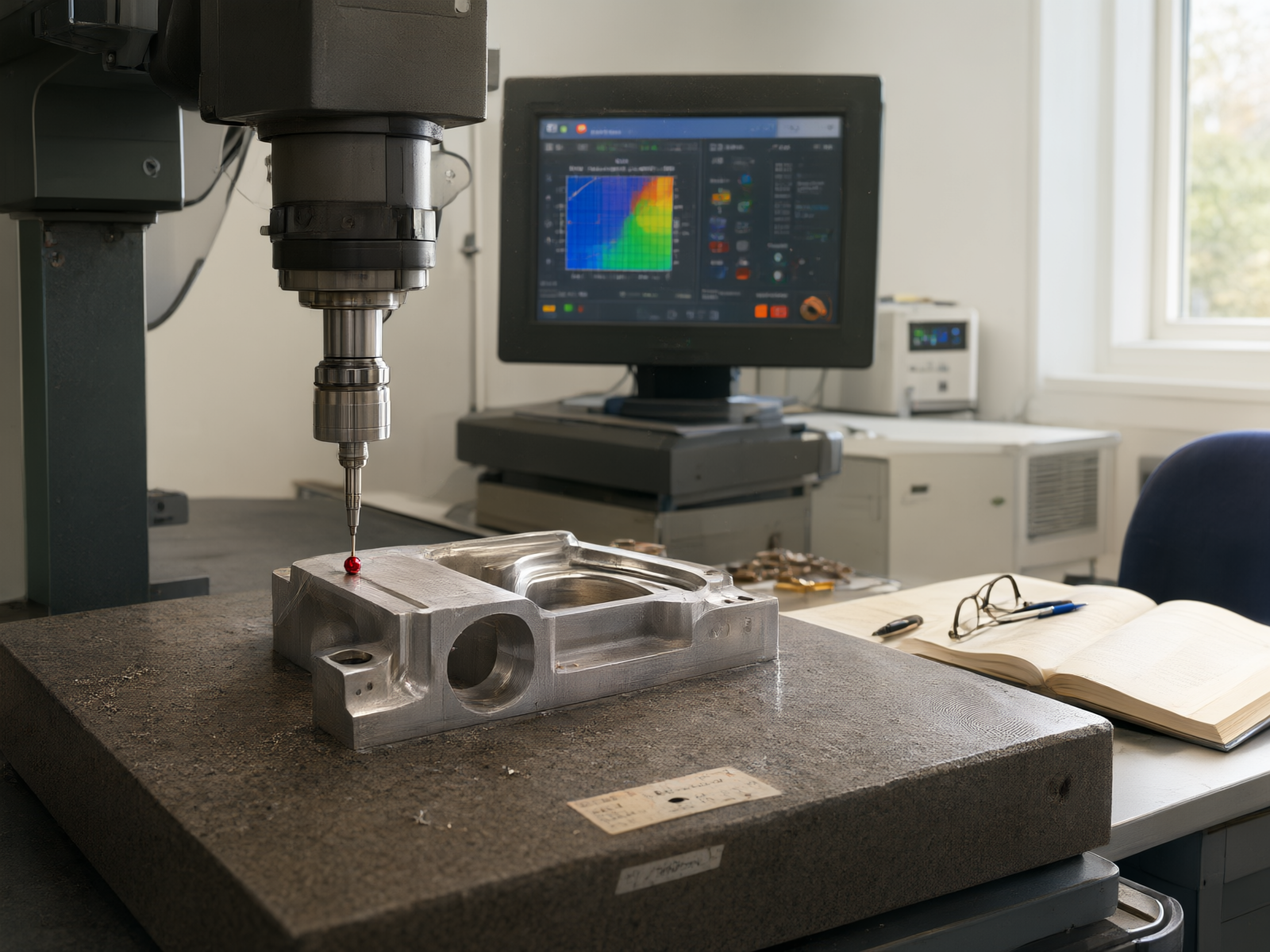
- Request a CMM report sample for a similar part
- What tolerance can you maintain?consistentlyfor production runs (not just one-off samples)
- Check if they have in-house CMM inspection.
A trustworthy supplier will be honest: ±0.005mm requires grinding, not just CNC milling. Be wary of shops claiming aerospace-level tolerances on simple 3-axis machines.
4. Evaluate Their Quality System
At a minimum, look for:
- ISO 9001certification (minimum requirement)
- IQC/OQC inspection procedures— how they manage incoming materials and outgoing parts
- First Article Inspection (FAI)New Parts Reports
- Traceability: Can they provide material certificates (Mill Cert 3.1) for each batch?
For medical or aerospace projects, specify ISO 13485 or AS9100 requirements and verify the certificate number rather than accepting a photo at face value.
5. Understand Their Lead Time—and What Affects It
A supplier promising "7 days for everything" is either lying or cutting corners. Realistic lead times depend on:
- First-order prototypes:7–15 days (DFM feedback + machining + inspection)
- Low-volume production (50–500 pcs):15–25 days
- Mass production:depends on material availability and surface treatment cycles
Ask if they have a priority queue for urgent parts. What's the backup plan if a machine breaks?
6. Review Their Material Sourcing
Low-cost retailers often swap in inferior materials without informing you. Confirm:
- Where do they source aluminum, stainless steel, and titanium? (Trusted suppliers like Chalco, Baosteel, or TIMET are a good sign.)
- Do they test material hardness, or do they rely solely on the mill certificate?
- Can they separate your material from leftover stock to prevent mix-ups?
7. View Their Surface Treatment Partners
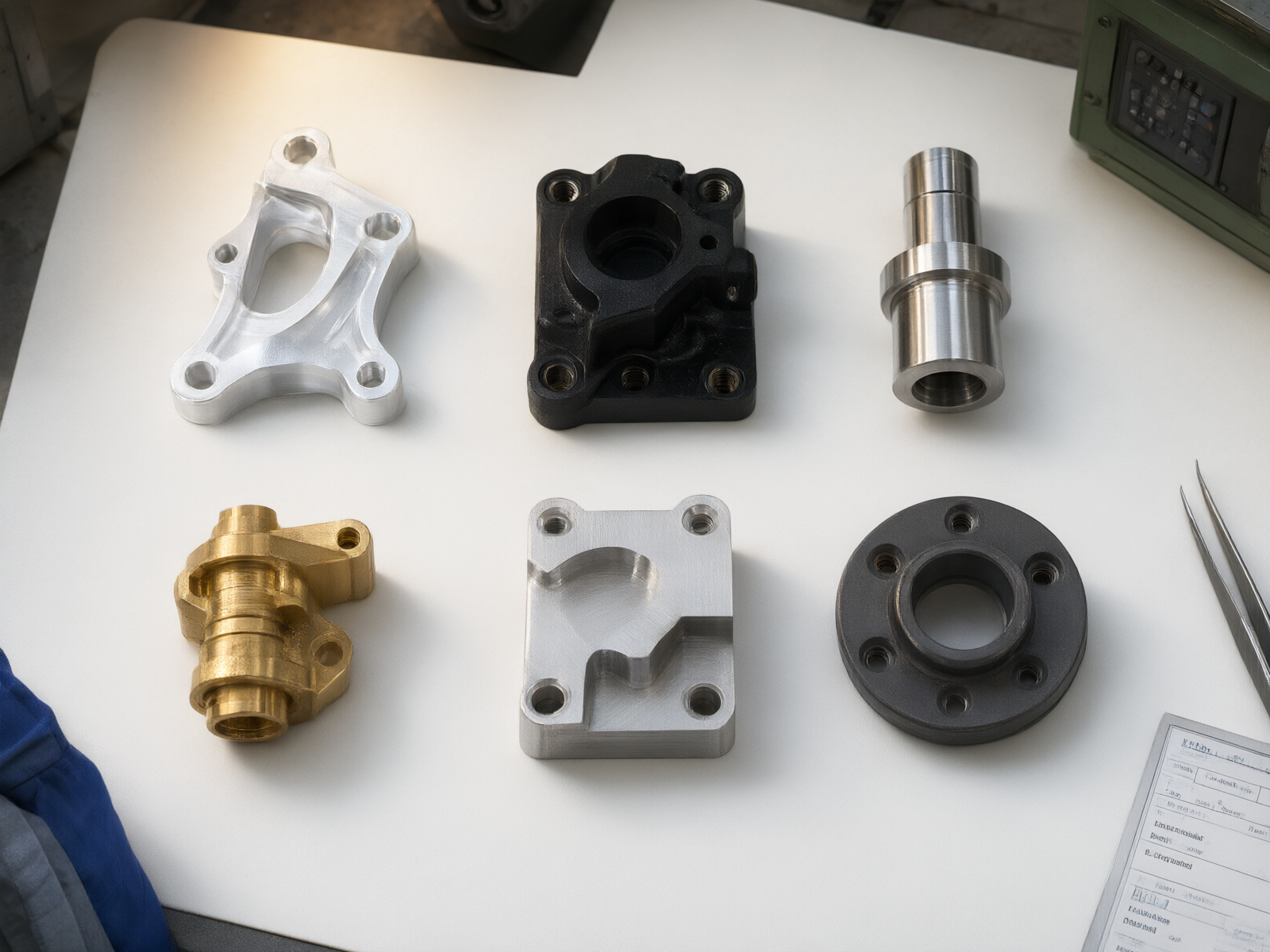
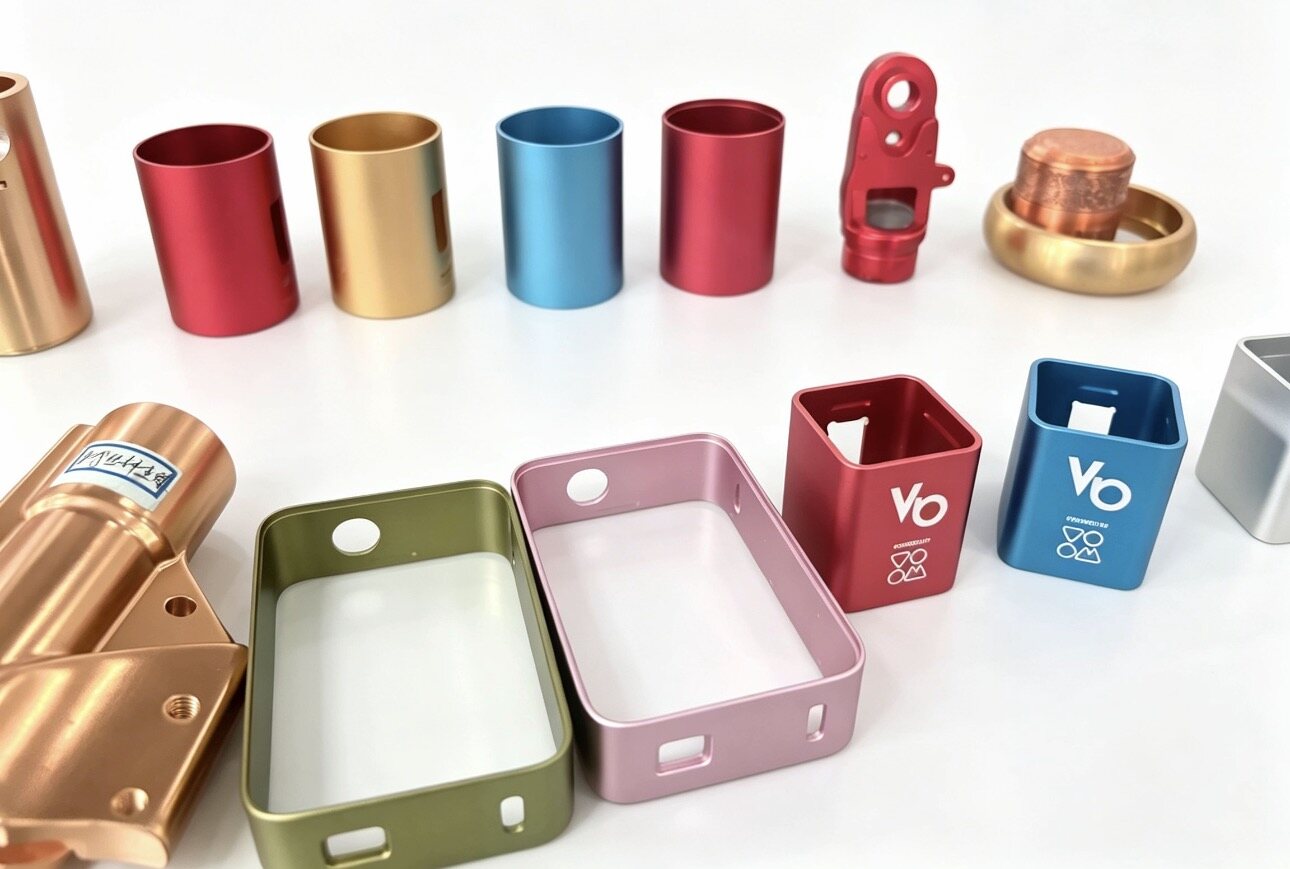
Most CNC parts require anodizing, plating, powder coating, or bead blasting. Ask:
- Do they handle this in-house or outsource it?
- If outsourced, how do they verify coating thickness and adhesion?
- Can you provide sample color swatches?
A shop with stable, long-term surface treatment partners delivers more consistent results than one that shops around for each order.
8. Evaluate Communication Responsiveness
You don't want to wait 24 hours for a simple email. Try them:
- Send an inquiry with a drawing and measure response time
- Ask a technical question (e.g., "Can you hold this tolerance on this material?") and check if their response is specific or generic.
- Verify they have English-speaking engineers who can interpret drawings, not just sales representatives.
Clear communication prevents 80% of production errors.
9. Inquire About Minimum Order Quantity (MOQ)
Some factories decline prototype orders as they're designed for mass production. Others readily produce 5–10 piece prototypes. Be clear about your quantity requirements:
- Prototypes:Find stores that accept orders for 1–10 pieces
- Bridge production:50–500 pieces
- Mass production:1000+ pieces
The right partner grows with you from prototype to volume, not forcing you to switch suppliers later.
10. Don't Choose Based on Price Alone
The lowest quote typically comes from:
- A trading company marking up a subcontractor's price
- A shop that skips inspection steps
- A shop using lower-cost material substitutions
If a quote is 30–50% lower than all others, there's likely a reason. Consider the total cost: quality risks, delayed shipments, rework from inspections, and potential tooling failures.
Key Takeaways
Selecting a CNC supplier in China is a partnership, not a one-time purchase. The best partners will:
- Be transparent about their equipment and capabilities
- Provide honest DFM feedback before machining begins
- Proactively communicate when issues arise
- Scale from prototype to production as your needs grow
AtHYS Mechanical(Shenzhen Heyuansheng Technology) We operate a precision machining facility in Shenzhen equipped with 5-axis machining centers, CNC lathes, and sheet metal machinery. We serve OEM clients in aerospace, medical, automotive, and industrial automation sectors. Before you commit, we're happy to provide factory tours via video, equipment lists, and sample inspection reports.
Got a project in mind? Send us your drawings today for a free DFM review and quote within 24 hours.
Get a Machining Quote
Submit your drawing and requirements — our engineers respond within 24 hours.
Get A Free QuoteRelated Articles
Medical Device CNC Parts: Quality Control from Material Selection to CMM Report
For medical device buyers, supplier due diligence hinges on two factors: material traceability and proof of cleanliness. This article breaks down the medical-grade CNC quality chain into five linked stages—material selection, machining, cleaning and packaging, CMM inspection, and traceability—and outlines the deliverable evidence required at each stage.
ISO 2768 Tolerance Standard Explained: How to Select the Right Tolerance Grade in CNC Machining
ISO 2768 is the general tolerance standard for dimensions shown without an individual tolerance. This guide explains its four parts and the f, m, c, and v tolerance classes, then shows how to select the appropriate default tolerance for CNC machined parts—matching precision to function rather than over-specifying to keep cost and quality in balance.
From PDF Drawing Upload to 24-Hour Quote: The Complete Trust Chain for Precision Machining Inquiries
How a verifiable inquiry workflow builds buyer trust: automatic PDF drawing receipts, NDA protection before file sharing, structured 24-hour quotes, and CMM inspection reports that prove quality with data—not promises.